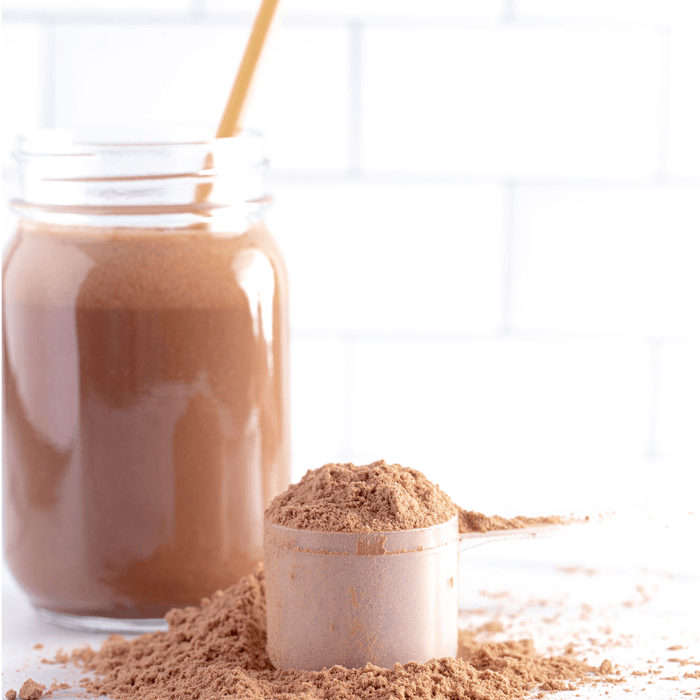
GLP-1 medications such as semaglutide and tirzepatide have become powerful tools for appetite regulation, improved blood sugar control, and weight management. While these medications help reduce hunger and increase fullness, they can also unintentionally reduce overall food and nutrient intake. That’s where protein becomes essential. Maintaining adequate protein is one of the most important dietary strategies for keeping your body healthy, energized, and metabolically resilient while using a GLP-1.
Below, we’ll dive into why protein matters, how it supports your results, which foods help increase GLP-1 activity naturally, and a GLP-1 meal plan designed to keep you nourished and satisfied.
Why Protein Is So Important When Taking a GLP-1
1. Preserves Lean Muscle Mass
One of the most common challenges during weight loss, whether naturally or through GLP-1 medications, is losing muscle along with fat. Muscle is metabolically active tissue, meaning it helps you burn calories even at rest. When protein intake is too low, the body begins breaking down muscle for energy.
GLP-1 medications often make people feel full quickly, leading to smaller portions and sometimes skipped meals. Without intention, protein can fall to suboptimal levels. Prioritizing high-quality protein at each meal helps maintain lean mass, which keeps metabolism strong and supports long-term weight stability.
2. Supports Metabolism and Energy
Muscle loss can slow metabolic rate, making it harder to continue losing weight or maintain progress. Adequate protein helps counteract this by supporting muscle repair, hormone production, and steady energy levels throughout the day. Even if your appetite is reduced, your body still needs essential amino acids for cellular function.
3. Enhances Satiety and Blood Sugar Control
Protein naturally slows digestion and stabilizes blood sugar, which helps you stay fuller longer. When combined with the appetite-regulating effects of a GLP-1 medication, protein creates a powerful foundation for managing cravings, preventing overeating, and improving overall nutrient absorption.
4. Helps Reduce Nausea and Digestive Discomfort
Many people experience nausea, early fullness, or gastrointestinal changes on GLP-1s. Protein-rich meals, especially when paired with small, frequent portions, tend to be easier on the stomach compared to high-fat or high-sugar foods. Gentle proteins like Greek yogurt, eggs, tofu, and fish can provide essential nutrients without overwhelming the digestive system.
5. Supports Hair, Skin, and Hormonal Health
Some people report hair shedding when taking GLP-1 medications, often due to rapid weight loss or nutritional gaps; especially inadequate protein. Since hair follicles require amino acids for growth, and hormones are partly built from proteins, maintaining sufficient intake supports overall health beyond weight management.
Foods That Increase GLP-1 Levels Naturally
Certain foods may help support the body’s natural GLP-1 release, enhance fullness, and stabilize blood sugar. While they won’t replace medication, they work alongside your GLP-1 to improve metabolic health.
High-Protein Foods
Protein itself stimulates GLP-1 release.
- Eggs
- Greek yogurt
- Cottage cheese
- Fish (salmon, tuna, sardines)
- Poultry (chicken, turkey)
- Lean beef
- Tofu, tempeh, and edamame
- Lentils and beans
Fiber-Rich Foods
Fiber slows digestion and supports gut hormone signaling.
- Oats
- Barley
- Chickpeas
- Lentils
- Black beans
- Berries
- Apples
- Pears
- Vegetables like broccoli, spinach, Brussels sprouts
Healthy Fat Sources
Healthy fats stabilize digestion and improve satiety.
- Avocado
- Nuts (almonds, pistachios, walnuts)
- Seeds (chia, flax, hemp)
- Olive oil
Fermented Foods
Gut health influences hormone signaling, including GLP-1.
- Kefir
- Sauerkraut
- Kimchi
- Yogurt with live cultures
Combining protein, fiber, and healthy fats at each meal can naturally enhance fullness and complement the effects of a GLP-1 medication
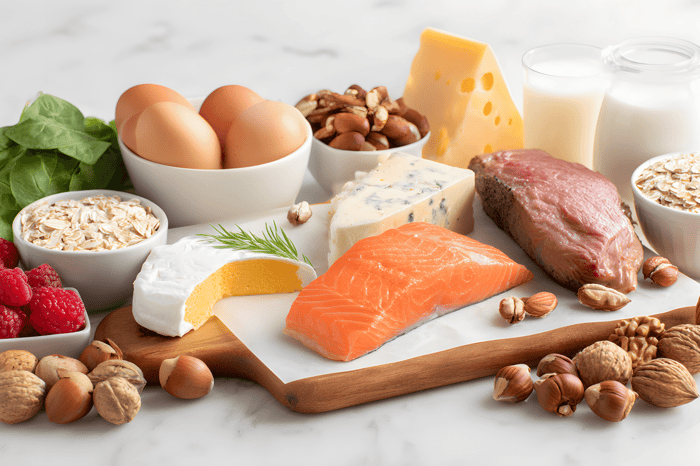
A GLP-1 Meal Plan to Support Protein Intake and Satiety
The following 1-day GLP-1 meal plan is designed to be high in protein and rich in nutrients that may naturally support GLP-1 activity. Portions can be adjusted based on appetite and tolerance.
Breakfast: Greek Yogurt Protein Bowl
- 1 cup Greek yogurt
- ½ cup mixed berries (blueberries, raspberries)
- 1 tablespoon chia or hemp seeds
- Optional: drizzle of honey if needed for taste
Why this works: High in protein, fiber, probiotics, and micronutrients. Gentle on digestion and helps stabilize morning blood sugar while supporting GLP-1 stimulation.
Mid-Morning Snack (if hungry):
- 1 protein shake or
- 1 hard-boiled egg + a small piece of fruit
Why this works: Keeps protein consistent, helping prevent muscle breakdown, especially if appetite is reduced.
Lunch: Grilled Chicken & Avocado Power Salad
- Grilled chicken breast (or tofu/plant-based protein)
- Mixed greens (spinach, romaine, arugula)
- Cherry tomatoes
- Sliced cucumber
- ½ avocado
- Olive oil + lemon dressing
- Optional: sprinkle of pumpkin seeds
Why this works: A balanced mix of protein, fiber, and healthy fats to support fullness and stable energy.
Afternoon Snack:
- Almonds, pistachios, small cheese stick, or one of our high protein low fat snack options
- Optional: herbal tea or infused water if nausea is present
Why this works: Provides nutrients without overwhelming appetite and supports stable blood sugar.
Dinner: Salmon, Quinoa & Steamed Greens
- Baked or grilled salmon (or another fish you tolerate well)
- ½–1 cup cooked quinoa
- Steamed spinach, broccoli, or Brussels sprouts
- Lemon and herbs for flavor
Why this works: Salmon provides high-quality protein and omega-3 fats. Quinoa adds fiber and amino acids, and greens support digestion and fullness.
Evening Option (if needed):
- Cottage cheese
- A few berries
- A small serving of edamame
Why this works: A light, protein-rich evening option that won’t interfere with sleep or digestion.
Tips for Getting Enough Protein on a GLP-1
- Aim for protein at every meal, even in small portions.
- Choose soft, easy-to-digest proteins when nausea hits (Greek yogurt, eggs, tofu, fish, or Protein Jello Squares).
- Use protein bars, shakes, or Vertical Protein Water to fill gaps on low-appetite days.
- Eat slowly, as GLP-1 medications delay stomach emptying.
- Stay hydrated, especially if protein intake increases.
- Plan meals around protein first, then add vegetables, whole grains, and healthy fats.
Protein is one of the most essential nutrients for anyone taking a GLP-1 medication. It protects muscle mass, supports metabolism, enhances satiety, and helps you feel strong and nourished as your appetite naturally decreases. Pairing protein with fiber-rich foods and healthy fats creates a balanced approach that aligns beautifully with the way GLP-1 medications work.
By eating intentionally and supporting your body with nutrient-dense meals, you can maximize results, maintain energy, and feel more in control of your wellness journey.
GLP-1 Metabolic Wellness & Nutrition Bundle

$69.99
GLP-1 medications are changing the game in weight loss —but your body may need more than just the prescription. A smaller appetite can mean fewer nutrients. And as your metabolism shifts, your body might struggle to maintain muscle, energy, and… read more