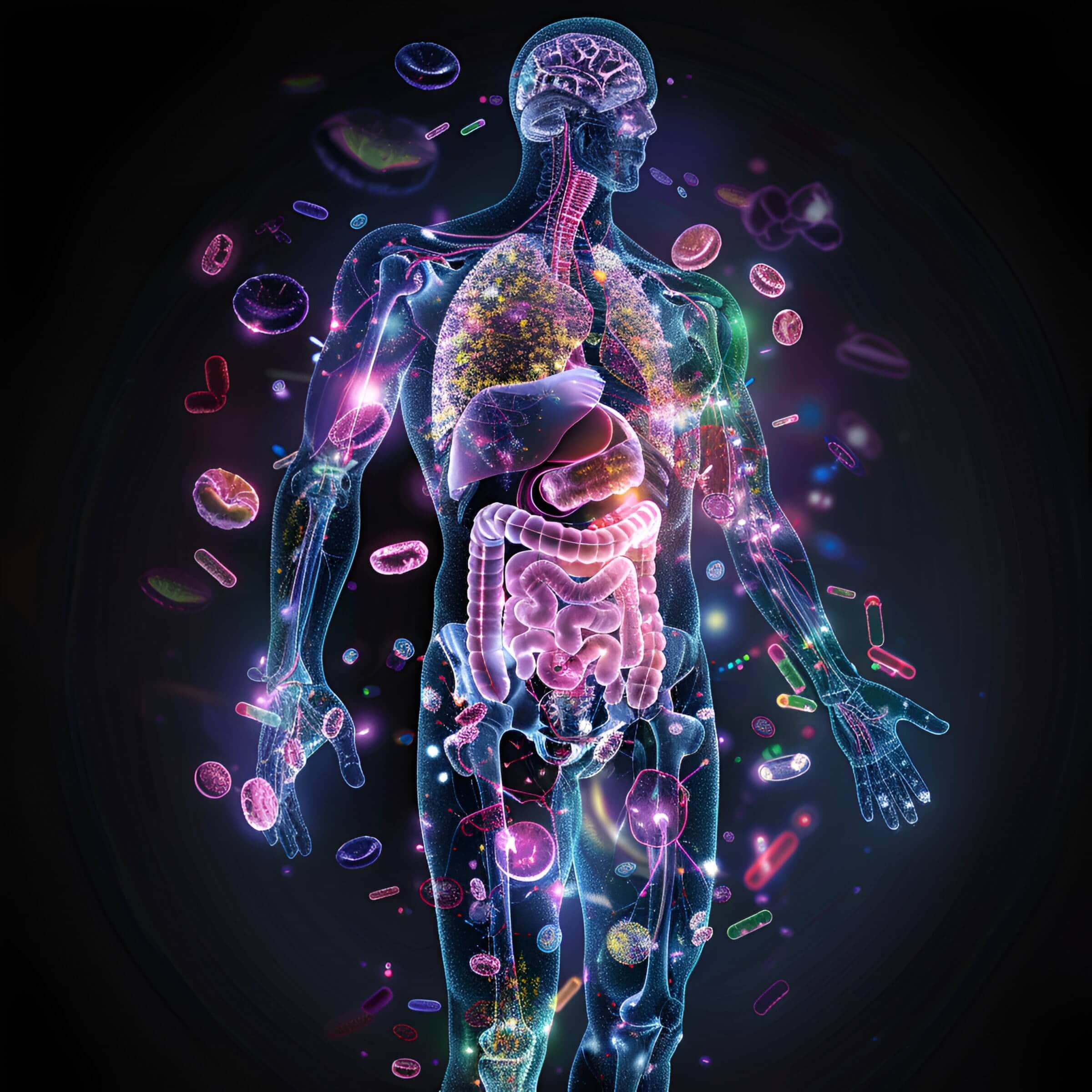

In recent years, gut health has become one of the most discussed topics in nutrition and wellness. Scientists continue to discover that the health of our digestive system influences far more than digestion alone. The gut plays a significant role in immune function, metabolism, mental health, and inflammation throughout the body. At the center of this complex system is the gut microbiome; a diverse community of microorganisms that live inside the digestive tract.
Understanding how the gut microbiome works and how probiotics and prebiotics support it can help individuals improve overall health and prevent a wide range of chronic conditions.
What Is the Gut Microbiome?
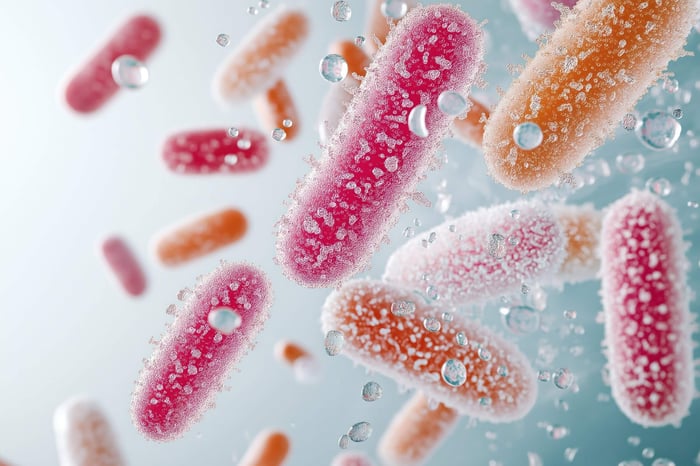
The gut microbiome refers to the trillions of microorganisms that inhabit the gastrointestinal tract. These microorganisms include bacteria, viruses, fungi, and other microbes that coexist in a delicate balance within the digestive system. While the idea of bacteria living in the body may sound concerning, many of these microbes are beneficial and essential for maintaining health.
The human gut contains over 100 trillion microorganisms, representing thousands of different bacterial species. Together, they form a highly complex ecosystem that interacts with nearly every system in the body.
These microbes help perform many critical functions, including:
· Breaking down complex carbohydrates and fiber
· Producing certain vitamins such as vitamin K and B vitamins
· Supporting immune system regulation
· Protecting against harmful pathogens
· Influencing metabolism and weight regulation
· Communicating with the brain through the gut–brain axis
When the microbiome is balanced and diverse, it supports optimal health. However, when the balance is disrupted—a condition known as dysbiosis—it can contribute to digestive problems and chronic disease.
Why Gut Health Matters
Gut health influences far more than digestion. In fact, the immune system resides in the gut, making it a critical defense center for the body. A healthy microbiome helps train the immune system to recognize harmful invaders while preventing unnecessary inflammation.
Poor gut health has been associated with several health conditions, including:
· Irritable bowel syndrome (IBS)
· Inflammatory bowel disease (IBD)
· Obesity
· Type 2 diabetes
· Allergies and autoimmune disorders
· Depression and anxiety
One reason gut health affects so many systems is the gut–brain axis, a communication network linking the digestive tract and the central nervous system. The gut microbiome produces neurotransmitters such as serotonin and dopamine, which influence mood, cognition, and emotional well-being.
Because of this connection, disruptions in gut bacteria may contribute to mental health challenges, while improving gut health may support emotional balance.
Factors That Influence the Gut Microbiome
Many lifestyle and environmental factors influence the composition of the gut microbiome. Diet is one of the most powerful determinants of microbial diversity and balance.
Factors that can negatively impact gut health include:
· Highly processed diets
· Excess sugar consumption
· Frequent antibiotic use
· Chronic stress
· Low fiber intake
These factors can reduce beneficial bacteria and allow less desirable microbes to flourish. Over time, this imbalance may lead to digestive discomfort, inflammation, and reduced immune resilience.
Fortunately, dietary choices can also help restore and support a healthy microbiome.
The Role of Probiotics
Probiotics are live microorganisms that provide health benefits when consumed in adequate amounts. Often referred to as “good bacteria,” probiotics help replenish beneficial microbes in the digestive tract and support microbial balance.
Probiotics work by:
· Competing with harmful bacteria for nutrients and space
· Producing substances that inhibit harmful microbes
· Supporting immune system function
· Strengthening the intestinal barrier
A strong intestinal barrier is important because it prevents unwanted substances from entering the bloodstream. When this barrier becomes compromised, it may contribute to inflammation and digestive issues.
Food Sources of Probiotics
Probiotics are naturally found in many fermented foods, including:
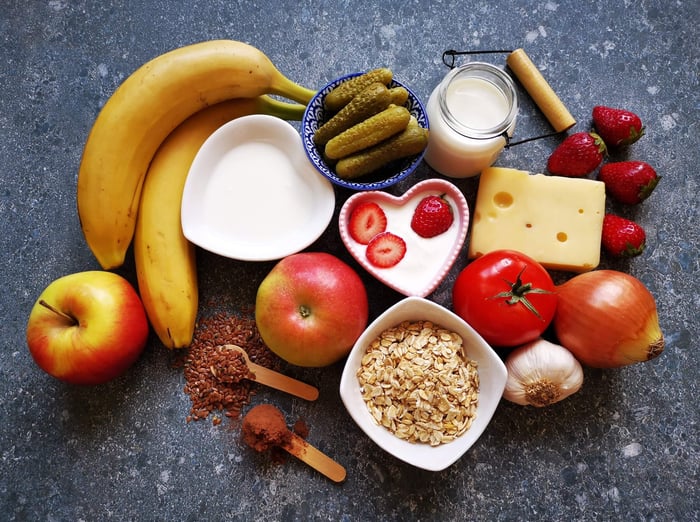
· Yogurt with live cultures
· Kefir
· Sauerkraut
· Kimchi
· Miso
· Tempeh
· Kombucha
Regularly incorporating these foods into the diet can introduce beneficial bacteria that support gut health. Some individuals also choose probiotic supplements, particularly after antibiotic treatment or when addressing specific digestive concerns.
However, not all probiotic strains provide the same benefits. Different strains of bacteria may support different aspects of health, such as digestion, immunity, or metabolic function.
The Role of Prebiotics
While probiotics introduce beneficial bacteria into the gut, prebiotics serve as the fuel that allows these microbes to thrive. Prebiotics are specialized types of dietary fiber that resist digestion in the small intestine and instead reach the colon, where they are fermented by beneficial gut bacteria.
This fermentation process produces short-chain fatty acids (SCFAs), such as butyrate, acetate, and propionate. These compounds provide important benefits for the body.
Short-chain fatty acids help:
· Nourish the cells lining the colon
· Reduce inflammation in the digestive tract
· Support immune function
· Improve insulin sensitivity
· Enhance gut barrier integrity
Without adequate prebiotics, beneficial bacteria struggle to survive and multiply. This is why probiotics and prebiotics often work best together.
Food Sources of Prebiotics
Many plant-based foods naturally contain prebiotic fibers. Some of the best sources include:
· Garlic
· Onions
· Leeks
· Asparagus
· Bananas (especially slightly green bananas)
· Oats
· Barley
· Apples
· Chicory root
· Jerusalem artichokes
These foods contain fibers such as inulin, fructooligosaccharides (FOS), and resistant starch, which help nourish beneficial bacteria.
A diet rich in plant diversity helps create a diverse microbiome, which is often associated with better health outcomes.
The Synergy Between Probiotics and Prebiotics
Probiotics and prebiotics are sometimes referred to as synbiotics when consumed together because they work synergistically to support gut health.
Probiotics introduce beneficial microorganisms, while prebiotics provide the nutrients those organisms need to grow and function effectively. When both are present, beneficial bacteria can establish themselves more successfully within the digestive tract.
For example, consuming yogurt (a probiotic food) alongside fiber-rich foods like oats or bananas (prebiotic foods) creates an environment that supports microbial balance.
Signs of Poor Gut Health
An imbalance in the gut microbiome may produce a variety of symptoms. Some common signs include:
· Bloating and gas
· Constipation or diarrhea
· Frequent infections
· Food intolerances
· Chronic fatigue
· Skin issues such as eczema or acne
While these symptoms may have multiple causes, supporting gut health through diet and lifestyle changes often improves overall digestive function.
Practical Steps to Improve Gut Health
Improving gut health does not require extreme diets or complicated regimens. Instead, simple lifestyle practices can help nurture a thriving microbiome.
Key strategies include:
· Eating a wide variety of fruits and vegetables
· Increasing fiber intake gradually
· Incorporating fermented foods regularly
· Reducing ultra-processed foods and excess sugar
· Managing stress through mindfulness or exercise
· Prioritizing adequate sleep
· Staying physically active
Even small dietary changes can influence the microbiome within days, though long-term consistency is necessary to maintain benefits.
A Foundation for Whole-Body Health
Gut health plays a central role in overall well-being. The trillions of microorganisms within the gut microbiome help regulate digestion, immunity, metabolism, and even mental health. When these microbes are nourished and balanced, they contribute to resilience and vitality.
Probiotics and prebiotics serve as essential tools for supporting this complex ecosystem. By incorporating fermented foods, fiber-rich plants, and balanced nutrition, individuals can help cultivate a diverse microbiome that promotes long-term health.
As research continues to uncover the far-reaching influence of gut bacteria, one message becomes increasingly clear: taking care of the gut means taking care of the whole body.