
Low-Impact, At-Home Exercise Ideas to Keep Moving When It’s Too Cold Outside
When the temperature drops and daylight hours shrink, it’s easy to let your workout routine slide. For bariatric patients, staying active year-round is crucial—not only for maintaining weight loss, but also for supporting energy, mood, and long-term metabolic health. Yet, icy sidewalks, freezing temperatures, and darker evenings can make outdoor activity feel unappealing or unsafe.
The good news? You don’t need a gym membership or fancy equipment to stay active this winter. With a few creative strategies and low-impact exercises, you can build strength, flexibility, and endurance—all from the comfort (and warmth) of your home.
Why Staying Active in Winter Matters
Physical activity plays a critical role in every stage of the bariatric journey—from initial recovery to lifelong maintenance. But during the winter months, activity levels often decline. According to research, colder weather and shorter days can significantly reduce daily movement, which may impact metabolism and weight stability. For bariatric patients, staying active isn’t just about burning calories. It’s about maintaining lean muscle mass, supporting joint health, improving mood, and enhancing blood circulation—all key components of post-surgery well-being.
Benefits of Indoor Exercise After Bariatric Surgery
- Preserves Muscle Mass: Regular strength-based movement helps prevent muscle loss, which is essential for maintaining a healthy metabolism.
- Supports Mood and Mental Health: Exercise releases endorphins that help combat winter blues and seasonal affective disorder (SAD).
- Improves Circulation and Flexibility: Gentle movement can ease stiffness and increase mobility, especially if colder weather keeps you sedentary.
- Aids Digestion and Energy: Staying active after meals helps regulate digestion and energy levels, which is important after bariatric surgery.
Even small amounts of consistent activity can make a significant difference. Aim for 150 minutes of moderate exercise per week—that’s just 20–30 minutes a day.
Preparing Your Indoor Workout Space
You don’t need an entire home gym to get started. A few simple steps can transform your living space into a comfortable workout zone.
- Clear a Safe Area: Move furniture aside and ensure you have enough room to stretch your arms and legs freely.
- Wear Supportive Shoes: Even indoors, wear sneakers with good arch support to protect your joints.
- Keep Equipment Handy: A yoga mat, resistance bands, light dumbbells (or water bottles), and a chair are all you need.
- Set the Mood: Play energizing music, use natural light when possible, or follow along with a favorite YouTube instructor.
Having a designated “movement space” helps reinforce routine and motivation, making it easier to stay consistent.
Low-Impact Indoor Workouts for Bariatric Patients
After bariatric surgery, it’s important to choose low-impact, joint-friendly exercises that promote strength and endurance without overstraining the body. Here are several safe and effective options to keep you moving through the winter months.
1. Walking Indoors or Marching in Place
It may sound simple, but indoor walking is one of the most effective ways to stay active without leaving the house. You can walk laps around your living space, march in place while watching TV, or follow along with a guided indoor walking video.
Tips:
- Walk for 10–15 minutes at a time and gradually increase to 30 minutes.
- Swing your arms to engage your upper body.
- Add gentle intervals by alternating between slow and brisk marching
Why it works: Walking improves cardiovascular health, aids digestion, and is gentle on the joints—perfect for all fitness levels.
2. Chair Exercises
Chair-based workouts are excellent for early post-op patients or those with limited mobility. You can work your entire body while staying seated, reducing strain on your joints.
Try:
- Seated leg lifts: Extend one leg at a time to strengthen your thighs.
- Seated arm circles: Extend your arms out and rotate them forward and backward.
- Seated marches: Lift one knee at a time to engage your core.
- Resistance band rows: Loop a band around a sturdy object and pull back, squeezing your shoulder blades together.
Why it works: Chair exercises improve circulation, tone muscles, and build endurance while providing stability and safety.
3. Resistance Band Strength Training
Resistance bands are lightweight, affordable, and perfect for home workouts. They provide consistent tension that builds muscle strength without heavy weights.
Try:
- Bicep curls (step on the band and curl upward)
- Lateral leg raises (tie the band around your ankles)
- Chest presses (wrap the band around your back and push forward)
- Squats with resistance (step on the band and hold the handles at shoulder height)
Why it works: Strength training supports muscle tone, metabolism, and bone health—all essential after bariatric surgery.
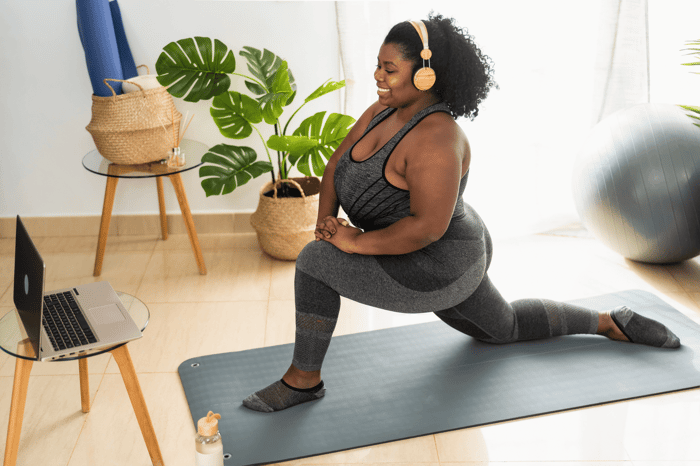
4. Gentle Yoga or Stretching
Yoga promotes flexibility, mindfulness, and stress relief—benefits that go far beyond physical fitness. It’s also an excellent low-impact option for bariatric patients recovering from surgery or adjusting to new movement patterns.
Try:
- Child’s pose and cat-cow for back mobility
- Seated forward fold for gentle hamstring stretches
- Wall-assisted lunges for balance and lower body strength
- Deep breathing exercises for relaxation and focus
There are many free beginner-friendly yoga videos online that cater to different mobility levels.
Why it works: Yoga improves flexibility, posture, and mental calm—helping you stay connected to your body’s needs.
5. Dance Workouts
Dancing is not only fun—it’s also a great cardiovascular workout that boosts your mood and burns calories. Turn on your favorite playlist and move however feels good, or follow along with an online dance fitness class.
Try:
- 10-minute mini dance breaks throughout the day
- Zumba, Latin dance, or low-impact cardio dance routines
- Combining gentle arm movements with steps for a full-body workout
Why it works: Dance improves coordination, heart health, and confidence while lifting your spirits during the darker winter months.

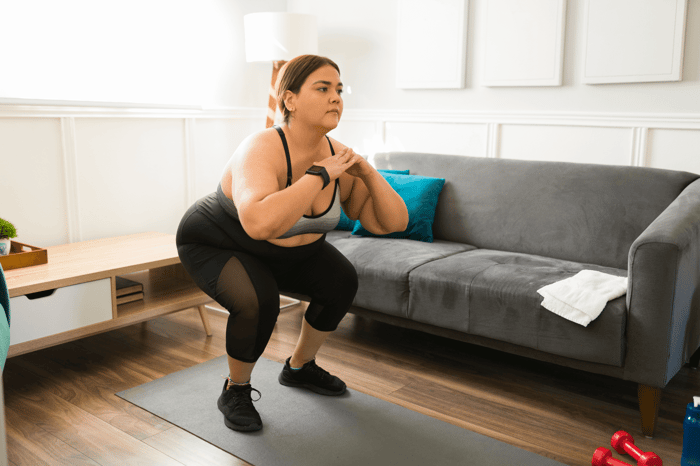
6. Bodyweight Circuits
You can create a full-body workout using just your body weight—no equipment needed.
Sample Circuit (repeat 2–3 times):
- 10 bodyweight squats
- 10 wall push-ups
- 10 standing leg lifts (each side)
- 10 glute bridges (lying on your back)
- 20 seconds of marching in place
Rest between rounds and adjust repetitions based on your energy level.
Why it works: Circuits build strength and stamina efficiently in a short amount of time.
Staying Motivated Indoors
Keeping momentum through the winter can be challenging, but a few mindset and routine shifts can make a big difference.
1. Set Small, Realistic Goals
Instead of aiming for perfection, focus on consistency. Even 10–15 minutes a day adds up over time.
2. Track Your Progress
Use a journal, app, or smartwatch to log your activity. Seeing your progress reinforces motivation.
3. Schedule Movement Like an Appointment
Add workouts to your calendar just as you would any other commitment.
4. Find Accountability
Join an online bariatric support group, follow along with a virtual fitness class, or invite a friend to do daily check-ins.
5. Celebrate Non-Scale Victories
Notice improvements in energy, sleep, mobility, and mood—not just weight loss. These wins matter just as much. Learn more about celebrating these triumphs here.
Safety First: Exercise Tips for Bariatric Patients
- Listen to your body: Avoid high-impact moves that cause pain or strain.
- Stay hydrated: Even indoors, dehydration can occur, especially with heated air.
- Warm up and cool down: Stretch before and after workouts to prevent injury.
- Consult your healthcare team: Always check with your bariatric provider or physical therapist before starting a new routine, especially after surgery.
Winter doesn’t have to derail your fitness goals. With a few simple adjustments, you can stay active, energized, and motivated all season long—without ever stepping outside. Whether it’s gentle yoga, resistance band training, or dancing in your living room, the key is consistency, not perfection.
Movement is medicine, and every step counts toward a healthier, stronger you. So grab your mat, turn on your favorite music, and keep your body—and your spirit—moving this winter.