
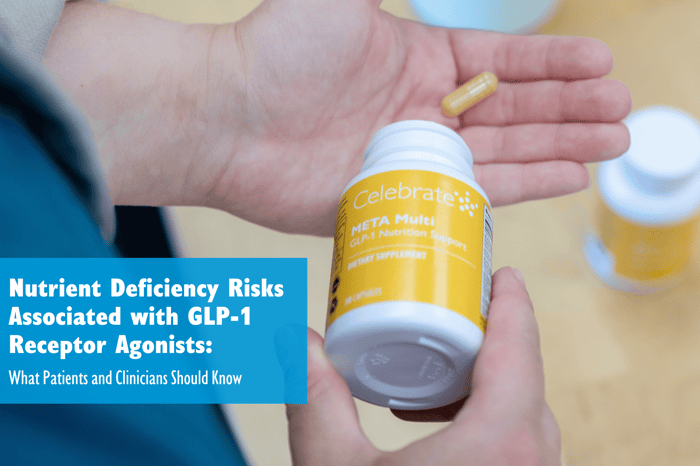
Glucagon-like peptide-1 receptor agonists (GLP-1 RAs) have revolutionized the treatment of obesity and type 2 diabetes, offering impressive weight loss outcomes and glycemic control. Medications like semaglutide, liraglutide, and tirzepatide have seen a surge in popularity, not just for diabetes but also for chronic weight management. However, while the therapeutic benefits are undeniable, there is growing concern about GLP-1 vitamin deficiencies and nutrient deficiencies associated with these medications, especially when used over the long term. Understanding these risks is crucial for clinicians managing patients on GLP-1 therapies and for patients aiming to monitor their nutritional status and avoid unintended nutritional consequences.
GLP-1 Agonists: Mechanism and Gastrointestinal Effects
GLP-1 receptor agonists mimic the incretin hormone GLP-1, which enhances insulin secretion, suppresses glucagon, delays gastric emptying, and reduces appetite—leading to weight loss and better glycemic control. However, these same mechanisms can affect nutrient intake and absorption. Most notably, delayed gastric emptying and early satiety often lead to decreased food intake, which can reduce overall nutrient consumption, especially if not compensated with high-quality, nutrient-dense foods or supplementation.
Risk of Protein Deficiency
Protein intake often decreases in individuals on GLP-1 therapy due to reduced appetite and nausea. This is particularly concerning in older adults and in those with sarcopenic obesity, where preserving lean body mass and muscle mass is critical. Several studies have reported reduced protein consumption in patients experiencing weight loss with GLP-1 use, especially when food aversions or nausea are prominent side effects (Kushner et al., 2020). Inadequate protein can lead to muscle wasting, reduced metabolic rate, and impaired immune function—key concerns in any weight loss program.
Vitamin B12 Deficiency
Vitamin B12 absorption depends on adequate gastric acid and intrinsic factor. The delay in gastric emptying induced by GLP-1 RAs may compromise the absorption of this vitamin over time. Although research specifically linking GLP-1 agonists to B12 deficiency is still emerging, parallels can be drawn from bariatric surgery literature, where delayed gastric emptying and reduced intake commonly lead to B12 depletion (Folope et al., 2021). Additionally, long-term use of metformin—commonly prescribed with GLP-1s—has independently been associated with B12 deficiency, compounding the risk (de Jager et al., 2010).

Iron Deficiency
Iron absorption also requires adequate stomach acid and frequent consumption of heme-rich or iron-fortified foods. Patients on GLP-1 medications often experience appetite suppression or food aversions, which may result in reduced intake of iron-rich foods like red meat. Furthermore, iron absorption is compromised in the presence of certain gastrointestinal side effects like vomiting or diarrhea, both reported with GLP-1 use (Wilding et al., 2021). Iron deficiency, especially in menstruating women or those with high physical activity levels, can lead to fatigue, impaired cognitive function, and anemia.
Fat-Soluble Vitamin Deficiencies (A, D, E, and K)
Fat-soluble vitamins depend on proper digestion and nutrient absorption processes involving bile and pancreatic enzymes. Although GLP-1s do not directly inhibit fat absorption, a reduced dietary intake of healthy fats—often the case with appetite suppression—can decrease the absorption of fat-soluble vitamins. For instance, vitamin D deficiency, already prevalent in individuals with obesity, may worsen with GLP-1–induced weight loss unless supplementation is implemented (van der Valk et al., 2012). This can impact bone health, immunity, and cardiovascular function.
Folate Deficiency
Folate, or vitamin B9, is critical for DNA synthesis, red blood cell formation, and fetal development. Decreased intake due to reduced appetite and altered food choices may reduce folate levels. Furthermore, if nausea and vomiting persist for extended periods, folate intake from green leafy vegetables and fortified grains may fall below the recommended daily intake (Lean et al., 2021). Folate deficiency can cause megaloblastic anemia, fatigue, and in pregnancy, neural tube defects.
Calcium and Bone Health
Calcium absorption can be affected indirectly by lower dietary intake, especially in individuals who avoid dairy due to GI side effects such as bloating or cramping on GLP-1s. Moreover, vitamin D status, essential for calcium absorption, may be compromised as discussed. These combined effects may elevate the risk of bone density loss or fractures over time if dietary or supplemental calcium and vitamin D are not maintained. A 2022 review emphasized the need for bone health monitoring in patients on chronic weight-loss medications, including GLP-1 agonists (Garvey et al., 2022).
Micronutrient Monitoring in GLP-1 Users
Due to these risks, clinicians should consider regular screening for nutrient deficiencies in patients using GLP-1 RAs, particularly those with rapid or significant weight loss, prolonged gastrointestinal symptoms, or comorbidities such as diabetes or chronic kidney disease. Recommended assessments include:
Vitamin B12 and folate every 6–12 months
Iron studies (ferritin, serum iron, TIBC)
25-hydroxyvitamin D levels annually
Calcium and parathyroid hormone (PTH) if vitamin D is low
Complete blood count (CBC) to assess for anemia
Nutritional Counseling and Supplementation
Registered dietitians play a pivotal role in guiding patients through safe and balanced weight loss while on GLP-1 medications. Dietary strategies should emphasize:
Adequate protein intake (1.0–1.5 g/kg ideal body weight)
Iron-rich foods like legumes, lean meats, and fortified cereals
Green leafy vegetables and citrus fruits for folate
Multivitamin and mineral supplement particularly for those with restrictive eating patterns, limited food intake, or had a surgical procedure for weight loss previously.
Vitamin D and calcium supplementation, if intake or sun exposure is low
Special Considerations in Bariatric Patients on GLP-1s
For patients who have undergone bariatric surgery and are prescribed GLP-1 agonists for weight regain or metabolic control, the risk of nutritional deficiencies is even higher. These individuals already have altered gastrointestinal anatomy that impairs absorption, making careful monitoring and supplementation essential. GLP-1s may also exacerbate post-operative nausea and food intolerances, compounding nutritional challenges (Papamargaritis et al., 2022).
Conclusion
GLP-1 receptor agonists offer significant benefits for weight loss and glycemic control but are not without nutritional risks. Reduced appetite, delayed gastric emptying, and food aversions can lead to decreased intake of essential nutrients, particularly protein, iron, B12, folate, calcium, and fat-soluble vitamins. Early and ongoing nutritional assessments, coupled with dietary counseling and appropriate supplementation, are essential in minimizing deficiency-related complications. A multidisciplinary approach involving prescribers, dietitians, healthcare providers, and patients is key to optimizing outcomes and ensuring safe long-term use of these powerful medications.
References
Kushner RF, Calanna S, Davies M, et al. Semaglutide 2.4 mg for the treatment of obesity: Key elements of the STEP trials. Obesity (Silver Spring). 2020;28(6):1050-1061. doi:10.1002/oby.22721
Wilding JPH, Batterham RL, Calanna S, et al. Once-weekly semaglutide in adults with overweight or obesity. N Engl J Med. 2021;384(11):989-1002. doi:10.1056/NEJMoa2032183
de Jager J, Kooy A, Lehert P, et al. Long term treatment with metformin in patients with type 2 diabetes and risk of vitamin B-12 deficiency: randomised placebo-controlled trial. BMJ. 2010;340:c2181. doi:10.1136/bmj.c2181
Folope V, Coëffier M, Tanguy J, et al. Nutritional deficiencies associated with obesity medications: focus on liraglutide. Nutrients. 2021;13(7):2456. doi:10.3390/nu13072456
van der Valk ES, Savas M, van Rossum EFC. Stress and obesity: are there more susceptible individuals? Curr Obes Rep. 2018;7(2):193-203. doi:10.1007/s13679-018-0306-y
Lean MEJ, Leslie WS, Barnes AC, et al. Durability of a primary care-led weight-management intervention for remission of type 2 diabetes: 2-year results of the DiRECT open-label, cluster-randomised trial. Lancet Diabetes Endocrinol. 2021;9(2):63-74. doi:10.1016/S2213-8587(20)30383-2
Garvey WT, Mechanick JI, Brett EM, et al. American Association of Clinical Endocrinology clinical practice guideline for the pharmacological management of obesity. Endocr Pract. 2022;28(5):437-482. doi:10.1016/j.eprac.2022.03.010
Papamargaritis D, Vusirikala A, le Roux CW. GLP-1 receptor agonists and bariatric surgery. Nat Rev Endocrinol. 2022;18(5):329-341. doi:10.1038/s41574-021-00584-5
META Multi GLP-1 Nutritional Support

$16.99
GLP-1 receptor agonists are known to suppress appetite, which can lead to a reduced intake of essential micronutrients. Mineral and vitamin deficiencies on a GLP-1 are common in individuals with obesity and diabetes, yet they’re often overlooked. META Multi GLP-1… read more