

Dining out after bariatric surgery can feel overwhelming at first. Restaurant portions are often oversized, menus are packed with tempting high-calorie foods, and social situations can make it difficult to stick to healthy habits. However, enjoying meals at restaurants is absolutely possible after bariatric surgery with the right mindset and strategy.
Learning how to build a bariatric-friendly plate is one of the most important long-term skills for maintaining weight loss and supporting overall health after surgery. The key is focusing on protein first, choosing nutrient-dense foods, controlling portions, and avoiding foods that may trigger discomfort or dumping syndrome.
The good news is that almost every restaurant offers options that can fit into a bariatric lifestyle. Whether you are dining at a steakhouse, Italian restaurant, Mexican café, or fast-food chain, you can build a balanced meal that supports your goals without feeling deprived.
Why Restaurant Meals Can Be Challenging After Bariatric Surgery
After bariatric surgery, your stomach pouch is much smaller, meaning portion sizes must also be smaller. In addition, certain foods may be harder to tolerate, especially during the early postoperative months. Restaurant meals can become problematic because they often contain:
- Large portions
- Excess calories
- Added sugars
- Fried foods
- High-fat sauces
- Refined carbohydrates
- Carbonated beverages
Many restaurant meals are designed for flavor and convenience rather than nutrition. Without a plan, it becomes easy to overeat or choose foods that do not support long-term success.
Fortunately, building a bariatric-friendly plate is simpler than many patients realize.
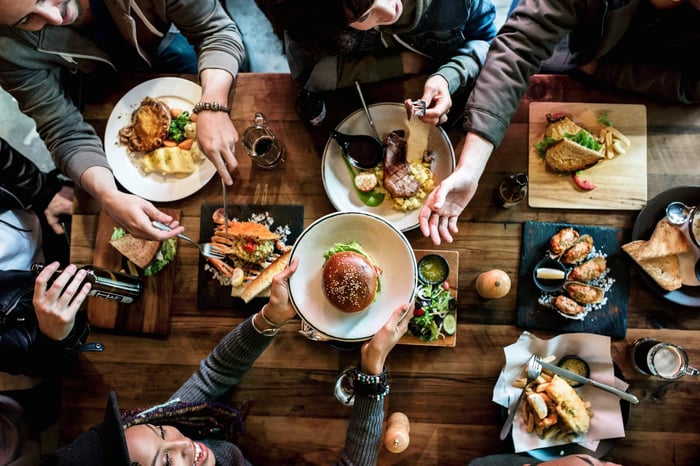
The Bariatric Plate Method
A bariatric-friendly plate should prioritize lean protein while balancing vegetables and healthy carbohydrates. Most bariatric dietitians recommend a plate structure similar to this:
- 50% lean protein
- 25% non-starchy vegetables
- 25% healthy carbohydrates or fruit
Protein should always be the priority because it supports healing, preserves muscle mass during weight loss, and promotes fullness.
Step 1: Start with Protein First
Protein is the foundation of every bariatric-friendly meal. Because portion sizes are limited after surgery, every bite should provide nutritional value.
When reviewing a menu, identify protein options first before looking at side dishes or appetizers.
Best Protein Choices at Restaurants
Choose lean, minimally processed proteins such as:
- Grilled chicken
- Turkey
- Fish or seafood
- Salmon
- Tuna
- Shrimp
- Lean steak
- Pork tenderloin
- Eggs
- Tofu or edamame
- Low-fat dairy options
Protein Choices to Limit
Some proteins may be difficult to tolerate or contain excess fat and calories, including:
- Fried chicken
- Breaded meats
- Sausage
- Bacon-heavy dishes
- High-fat burgers
- Alfredo-based pasta dishes
- Crispy appetizers
Grilled, baked, broiled, roasted, or steamed preparations are usually the best options.
Step 2: Add Non-Starchy Vegetables
Vegetables provide fiber, vitamins, and minerals while helping you feel satisfied without excess calories.
Non-starchy vegetables are generally the best choice because they are lower in carbohydrates and easier to fit into a balanced bariatric meal plan.
Great Vegetable Options Include:
- Broccoli
- Green beans
- Asparagus
- Side salads
- Brussel sprouts
- Zucchini
- Cauliflower
- Spinach
- Peppers
- Cucumbers
Ask for vegetables prepared without heavy butter sauces whenever possible.
Watch Out for Hidden Calories
Restaurant vegetables may seem healthy but can become calorie-heavy when prepared with:
- Cheese sauces
- Cream sauces
- Excess butter
- Fried toppings
- Sugary glazes
Simple preparations are usually the safest and healthiest choice.
Step 3: Choose Smart Carbohydrates
Carbohydrates are not forbidden after bariatric surgery, but portion control matters. Focus on nutrient-dense carbohydrates that provide fiber and lasting energy.
Better Carbohydrate Choices:
- Sweet potatoes
- Brown rice
- Quinoa
- Beans
- Fruit
- Whole grains in small portions
Carbohydrates to Limit:
- French fries
- White bread
- Pasta-heavy meals
- Chips
- Sugary desserts
- Large tortillas
- Refined rice dishes
Some bariatric patients are more sensitive to carbohydrates than others, especially after gastric bypass surgery. Foods high in sugar may trigger dumping syndrome, causing nausea, cramping, dizziness, sweating, and diarrhea.
Step 4: Be Careful with Beverages
Many beverages served at restaurants contain hidden sugars and calories that can interfere with weight loss goals.
Best Drink Choices:
- Water
- Unsweetened tea
- Decaf coffee
- Sugar-free beverages
- Lemon water
Drinks to Avoid:
- Soda
- Sweet tea
- Milkshakes
- Alcoholic cocktails
- Juice
- Frozen beverages
Carbonated drinks are generally discouraged after bariatric surgery because they may cause discomfort and bloating.
Step 5: Control Portions
Restaurant portions are often two to four times larger than what a bariatric patient needs.
One of the most effective habits is planning portion control before the meal even arrives.
Helpful Portion Strategies:
- Share an entrée
- Order from the appetizer menu
- Request a to-go box immediately
- Stop eating at the first sign of fullness
- Avoid “cleaning your plate”
- Order kids’ meals when appropriate
Remember that overeating after bariatric surgery can cause nausea, vomiting, abdominal discomfort, or stretching of the stomach pouch over time.
Step 6: Eat Slowly and Mindfully
Eating too quickly is one of the most common causes of discomfort after bariatric surgery.
At restaurants, meals are often rushed because of conversation, distractions, or social pressure. Slowing down is essential.
Mindful Eating Tips:
- Take small bites
- Chew thoroughly
- Put utensils down between bites
- Pause during the meal
- Focus on fullness cues
- Avoid eating while distracted
Meals should generally take 20–30 minutes to finish comfortably.
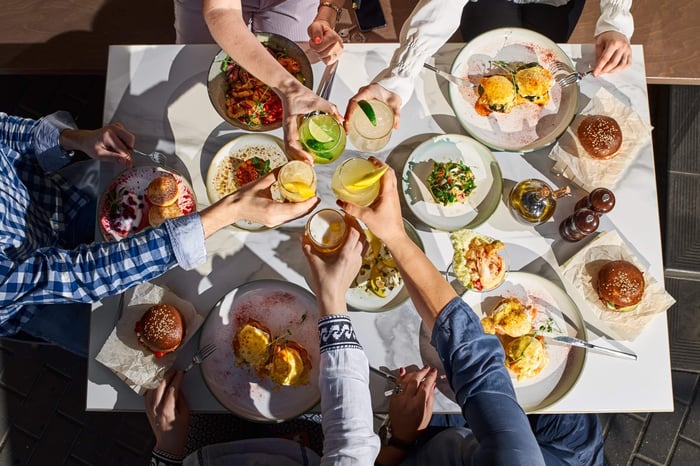
Smart Ordering Tips for Different Restaurants
At a Steakhouse
Choose:
- Grilled steak
- Salmon
- Chicken breast
- Steamed vegetables
- Salad with dressing on the side
Skip:
- Loaded baked potatoes
- Fried appetizers
- Creamed spinach
- Sugary cocktails
At an Italian Restaurant
Choose:
- Grilled chicken dishes
- Meatballs with vegetables
- Soup and salad
- Seafood options
Skip:
- Large pasta portions
- Bread baskets
- Alfredo sauces
- Fried mozzarella sticks
At a Mexican Restaurant
Choose:
- Fajita meat
- Grilled shrimp
- Taco salad without fried shell
- Beans in moderation
Skip:
- Chips and queso
- Large burritos
- Fried chimichangas
- Sugary margaritas
At Fast Food Restaurants
Choose:
- Grilled chicken sandwiches without buns
- Chili
- Egg bites
- Side salads
- Protein bowls
Skip:
- Fries
- Milkshakes
- Breaded chicken
- Super-sized meals
Don't Be Afraid to Customize
One of the best ways to create a bariatric-friendly meal is by modifying menu items.
Most restaurants are willing to accommodate simple requests such as:
- Dressing on the side
- Extra vegetables instead of fries
- Sauce served separately
- Grilled instead of fried
- No bread or bun
- Smaller portions if available or ask for a to-go container to be brought with the meal and automatically package half the meal to-go before beginning to eat.
Customizing meals helps you stay in control while still enjoying the dining experience.
Social Situations and Mindset
Many bariatric patients worry about judgment or questions from others when eating smaller portions. However, your health goals matter more than social expectations.
Dining out should still be enjoyable. The goal is not perfection but consistency. One meal does not define your success, and healthy restaurant habits become easier with practice.
Focus on:
- Prioritizing protein
- Listening to your body
- Eating until satisfied, not stuffed
- Making choices that support your long-term health
Building a bariatric-friendly plate at any restaurant is completely achievable with preparation and mindful decision-making. By focusing on lean protein, adding non-starchy vegetables, limiting refined carbohydrates, and practicing portion control, you can confidently enjoy dining out while supporting your weight loss goals.
Restaurants do not have to become off-limits after bariatric surgery. In fact, learning how to navigate menus successfully is an important part of creating a sustainable, healthy lifestyle. With practice, restaurant dining becomes less stressful and more empowering, allowing you to enjoy food, social experiences, and long-term success after surgery.