The Celebrate Blog
Education, Tips, Nutrition, and Recipes for Bariatric Surgery and Weight Loss Patients
Fiber After Bariatric Surgery
March 22nd, 2018
Lifestyle
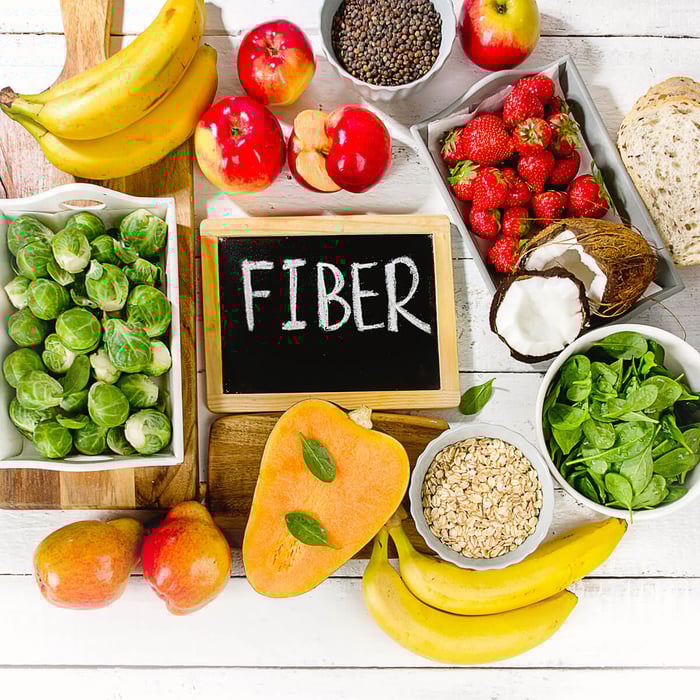
Following a healthy eating plan high in fiber is a constant recommendation many of us hear frequently throughout the year. But why? And does this apply to a bariatric surgery patient? There are plenty of reasons to consume fiber as part of your healthy eating plan. Below are a few of the reasons to include fiber-rich foods as part of your healthy plan. Fiber Aids in Weight Loss When eating high fiber foods, they typically require more chewing. This helps you slow your pace of eating and gives your body time to realize how full you really are, by preventing overeating. Also, high fiber foods take longer to break down in the digestive system, which makes you feel full longer. High fiber foods may contain fewer calories for similar volumes of foods that are not high in fiber, which also assists in maintaining your weight. Fiber Helps Regulate Cholesterol Soluble fiber, the kind found in beans, oats, flaxseed, and oat bran, may help lower total blood cholesterol levels by lowering low-density...
Iron Deficiency after Bariatric Surgery
May 6th, 2017
Lifestyle
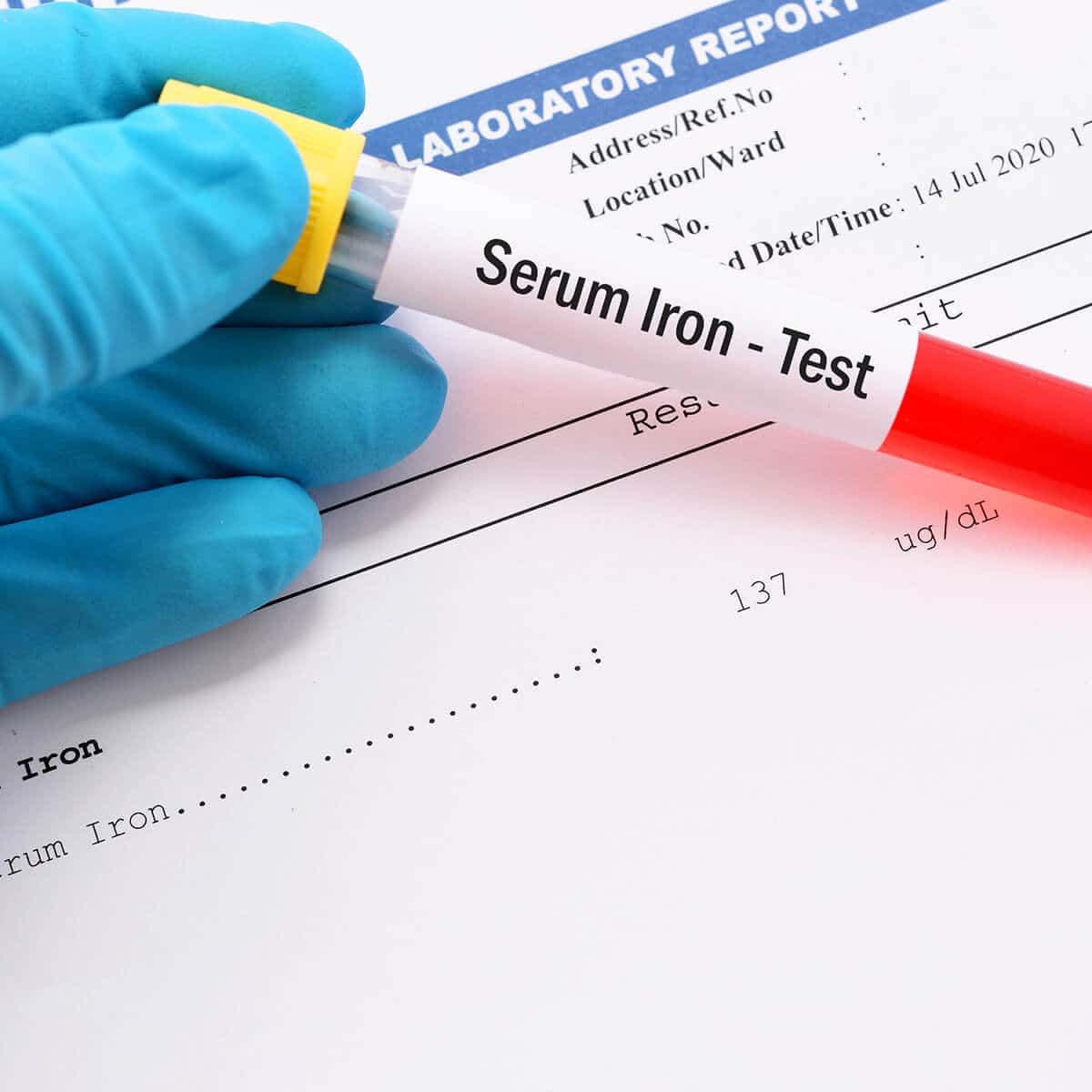
Have you ever found yourself chewing cups of ice throughout the day? Many bariatric patients report this behavior after their bariatric surgery. While chewing ice does not necessarily mean you have low iron levels, it does warrant getting your iron levels checked. Iron's Role Iron is a key element in the metabolism of all living organisms and helps to make up hundreds of proteins and enzymes. Iron has many functions, but below are some of the key functions of iron. Heme is the iron-containing compound found in molecules. Hemoglobin and myoglobin are heme-containing proteins that help to transport and store oxygen. Hemoglobin is the primary protein in red blood cells and makes up two-thirds of the body's iron. It helps to transport oxygen from the lungs to the rest of the body. Myoglobin transports and stores oxygen (short-term) for muscle cells. This is extremely important when the muscles are working (such as in a physical activity session). Iron is involved in electron transport...